
Is Picking Up an Instrument the Key to Cognitive Health for Seniors?
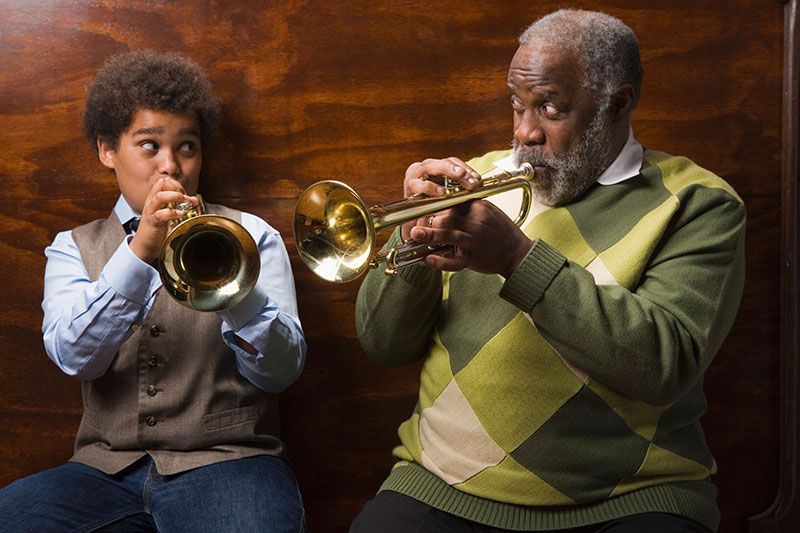
Most advice about improving cognitive health for seniors revolves around reading, puzzles, or socializing. Yet one often overlooked—and delightfully engaging—activity can offer similar benefits: playing a musical instrument.
If your parent loves learning new things or simply needs a creative outlet, music could do wonders for both cognitive and emotional health. Evidence shows that older adults who play instruments display stronger reasoning, memory, and attention compared to those who don’t.
Recent research links musical activity to growth in several mental abilities:
- Working memory: Holding onto and using short-term information
- Executive thinking: Organizing, planning, and problem-solving
- Attention and processing: Maintaining focus and reacting efficiently
Although no activity can erase the risk of decline, musical engagement strengthens the brain’s adaptability over time.
Music also gives older adults a chance to use the brain in ways that feel rewarding instead of repetitive. Unlike drills or exercises that may feel like work, playing familiar songs or learning simple new melodies can feel personal and enjoyable. That combination matters. When an activity is both stimulating and fun, there is a greater chance they will stick with it long enough to experience ongoing cognitive benefits. Consistency is where many of the gains really begin to take shape.
Why Playing Music Stimulates the Brain
When Dad practices piano, blows a trumpet, or strums a ukulele, he’s doing far more than performing—he’s training his brain.
Playing demands coordination among multiple systems: visual scanning, fine motor control, and auditory feedback. The brain must process each note instantaneously, translate it into motion, and evaluate the resulting sound. This active, all-at-once engagement boosts communication between brain regions.
Researchers tie these effects to cognitive reserve, the ability to maintain performance even when natural aging affects certain mental processes.
Unlike passive activities, music requires purpose and reaction at every moment. That’s what makes it so powerful.
Why It’s Truly Never Too Late
Whether Dad hasn’t played in years or is trying music for the first time, it’s not too late to benefit.
Starting music lessons later in life supports neuroplasticity, firing up the brain’s habit of forming new pathways. Learning even the basics of rhythm or tone gives the brain a good challenge while promoting enjoyment.
To ease your parent into a routine:
- Bring back an instrument they remember fondly
- Try beginner tutorials online or with a teacher
- Encourage fun, low-pressure practice sessions
- Keep repetition and enjoyment front and center
Even 15 minutes of active practice can help stimulate the mind.
It can also help to choose an instrument that fits your parent’s current abilities and comfort level. A keyboard with clearly marked keys, a hand drum, or a lightweight ukulele may feel more approachable than something physically demanding. If arthritis, shortness of breath, or limited dexterity are concerns, small adaptations can make participation easier. The goal is not perfection. It is engagement, enjoyment, and giving the brain a reason to stay active in a fresh and meaningful way.
Music as Emotional Medicine
The joy of music extends beyond mental stimulation—it’s emotional nourishment.
Songs from the past can awaken vivid memories, connecting your parent with their younger self. The act of playing builds pride, purpose, and confidence.
Joining others—whether through ensemble classes or family jam sessions—creates meaningful social moments that combat isolation.
Encouraging Engagement Through Support
While aging brings inevitable change, structured, positive activities can make a difference.
If transportation, time, or physical challenges are barriers, our caregivers can help. We provide daily encouragement, help maintain practice routines, and keep older adults mentally engaged and happy at home.
Call 617-376-3711 to learn more about our home care services in Milton, Westwood, Newton, and throughout Eastern Massachusetts, with live-in care available in New Hampshire, Connecticut, and Massachusetts.