
When Comfort Food Becomes Too Comforting: Understanding Food Addiction in Older Adults
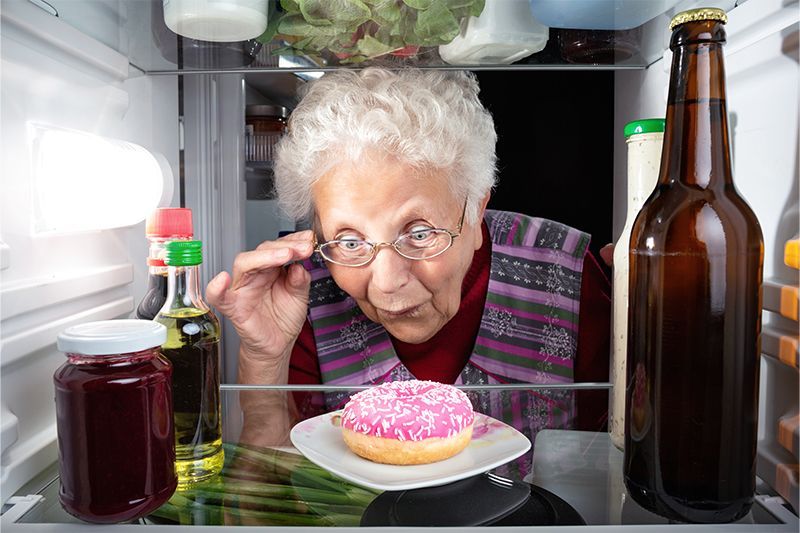
Familiar foods often feel like old friends—easy to reach for and instantly comforting. The taste of salty snacks or the sugary rush of packaged desserts can stir up memories from decades past, bringing a sense of ease after a stressful day. But researchers at the University of Michigan are shining a light on a growing concern: food addiction in older adults, when those foods are no longer just habits but something more complex and harder to control.
A Growing Dependence Hidden in Plain Sight
The research reveals that a surprising portion of older adults meet the criteria for addiction-like responses to ultra-processed foods. More than 20% of older women and about 10% of older men show behavior patterns commonly seen in other types of addiction. These foods—engineered to be hyper-rewarding—have been everyday staples for people who grew up during the rise of frozen entrees, packaged snacks, and artificially sweetened “diet” products.
Those items weren’t simply convenient. They were designed to be crave-worthy, tapping into the brain’s reward systems with blends of sugar, fat, and salt that made them hard to resist. The long-term result is that many older adults find it extremely challenging to scale back, even when they want to.
What Food Addiction in Older Adults Looks Like
To better understand this issue, researchers adapted the Yale Food Addiction Scale and looked for core markers of addictive behavior. Their findings revealed patterns such as:
- Persistent cravings for certain foods
- Difficulty stopping, even when no longer hungry
- Emotional or physical discomfort when reducing intake
- Avoiding social settings to prevent overeating
The difference is that the substance driving these responses isn’t alcohol or drugs—it’s the modern food supply.
Why Women Face Higher Rates
One of the most striking findings is that women are significantly more likely to experience these symptoms. Diet culture plays a major role here. For decades, women were targeted by advertising for low-fat cookies, frozen meals, and “healthy” snack bars. Many of these products replaced fats with sugar and refined carbohydrates, making them highly palatable and, for some, extremely hard to give up.
Over time, eating patterns shaped around emotional regulation, stress, and convenience can become deeply ingrained.
Emotional Health and Loneliness Make the Pull Stronger
The study also uncovered a strong connection between food dependence and emotional wellbeing. Older adults who described their mental health as fair or poor were several times more likely to struggle with ultra-processed food intake. Loneliness amplified the issue, with isolated individuals showing much higher rates of addictive eating patterns.
Food becomes a source of comfort, distraction, or routine—something predictable during moments of stress, sadness, or boredom. While the relief feels immediate, it often leads to guilt, low energy, or worsening health.
Supporting Change With Compassion
Lasting change doesn’t come from shaming or harsh restrictions. What works is gradual, empathetic support:
- Recognizing emotional and situational triggers
- Adding filling, nutrient-dense foods rather than focusing only on elimination
- Encouraging social meals or shared food preparation
- Seeking guidance from professionals who understand both nutrition and emotional health
The Role of Caregivers
Many older adults benefit tremendously from having a companion who can help create healthier routines without judgment. A supportive caregiver can make grocery shopping easier, cook wholesome meals, and help structure a mealtime routine that feels comforting rather than restrictive.
Caring, encouraging support helps older adults feel empowered—more in control of their health, more connected, and more confident in their relationship with food.
To learn how we can help someone you love in Boston, Cambridge, Newton, and throughout Eastern Massachusetts, with live-in care available throughout New Hampshire, Connecticut, and Massachusetts, contact us at (617) 376-3711.