
How to Reduce Frailty and Build Resistance With Mind-Body Movements
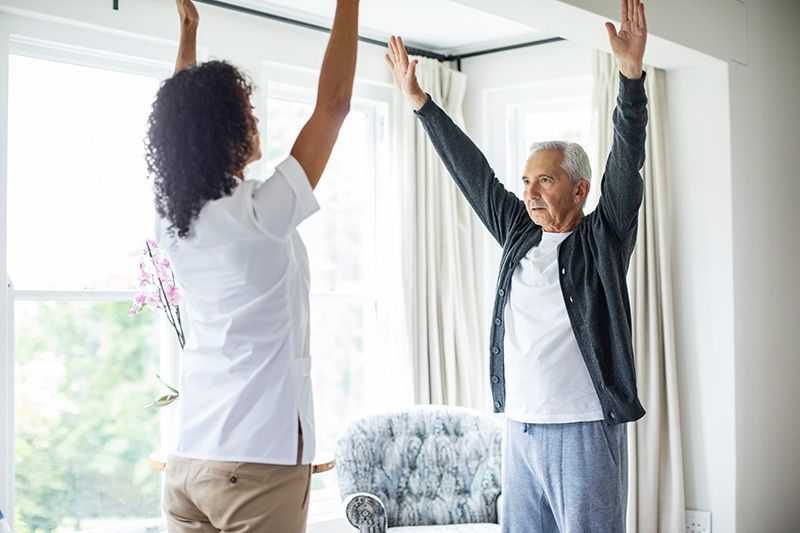
Aging well means more than adding years—it’s about enhancing the quality of those years through mobility, strength, and confidence. Being able to move comfortably and safely helps reduce frailty and shapes how seniors engage with their homes, communities, and daily lives.
Frailty can slowly erode those abilities, leaving older adults vulnerable to falls and hospitalization. Fortunately, studies continue to affirm that mind-body exercise can dramatically counter these effects, helping older individuals regain balance, independence, and joy.
The Power Behind the Practice
Mind-body workouts take a unique approach, engaging both physical and mental systems through rhythmic, mindful motion. Unlike conventional strength training, these methods emphasize coordination, focus, posture, and breathing. The result is a balanced body and a calmer mind—a potent combination for long-term health.
Examples of Mind-Body Fitness
Mind-body movement encompasses exercises that synchronize physical activity with mindfulness, encouraging awareness of every motion. Because they involve slow, controlled techniques, they offer flexible options for individuals with different strength levels.
Popular variations include:
- Tai chi
- Yoga or chair yoga
- Qigong
- Gentle Pilates for older adults
These approaches allow for personalized progression, ensuring participation even for those recovering from illnesses or living with chronic conditions.
Why It’s Effective for Reducing Frailty
Frailty develops when physical, neurological, and emotional factors intersect to limit activity. But integrating mindful movement addresses several of these sources together:
- Enhancing coordination and reflexes
- Strengthening functional muscles for everyday use
- Improving posture and joint flexibility
- Focusing attention to reduce anxiety and hesitation
- Boosting energy and morale through calm, purposeful motion
In clinical observations, participants who practiced mind-body exercise reported not only measurable improvements in physical assessments but also heightened emotional well-being and confidence.
Gentle Consistency Leads to Progress
A sustainable change doesn’t require high exertion—it relies on discipline and steady engagement. Even two or three sessions per week can gradually build resilience and reduce frailty. Each small gain—standing with better balance, walking more smoothly, or bending with less tension—translates into greater overall capability.
The real transformation lies in consistency, not intensity. As stamina grows, individuals often rediscover enjoyment in previously difficult activities, from gardening to walking with friends.
Creating Safe and Supportive Conditions
Before beginning any new regimen, it’s important to consult with a healthcare provider, particularly if long-term conditions exist. After approval, partnering with experienced instructors or home caregivers ensures that exercises are performed safely and effectively.
If attending outside classes isn’t feasible, structured routines at home—supported by professional care—can offer the same benefits in a more convenient setting.
Building Resilience and Independence at Home
Physical strength and emotional balance reinforce one another, especially during the aging process. Helping older adults remain active fosters dignity, security, and renewed enthusiasm for daily life.
At Traditions Home Health Services, we’re proud to help seniors across Boston, Cambridge, Newton, and throughout Eastern Massachusetts, with live-in care available in New Hampshire, Connecticut, and Massachusetts as well.
To learn more about how we can help someone you love to reduce frailty and enjoy a better quality of life, contact us at 617-376-3711. Our care professionals are ready and waiting to make a difference!